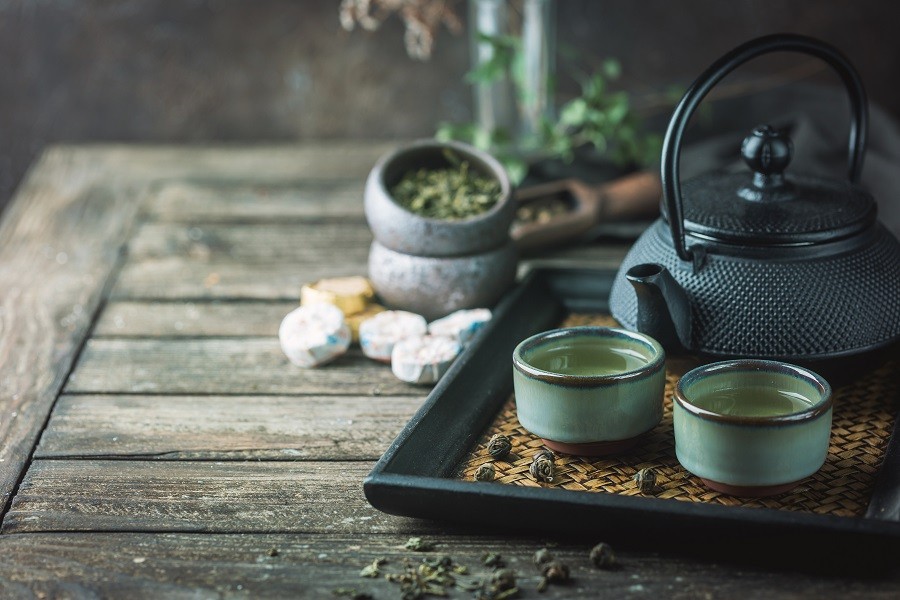
You do not need a two-hour morning routine. You do not need to wake before sunrise, meditate for forty minutes, and journal three pages before your household stirs. You need twenty minutes. Maybe less. Just enough to remember who you are before the day tells you who to be.
I am suspicious of elaborate morning rituals that presuppose an emptied schedule, a sleeping family, and a degree of logistical control that most caregivers simply do not have. Real mornings have interruptions. Real mornings have small people who wake earlier than planned and need things immediately. Real mornings are often already full before they begin.
So I am not going to tell you to redesign your morning. I am going to tell you to find twenty minutes somewhere in it — before anyone else is awake, during a nap, after school drop-off — and to use those minutes in a specific way.
The Three Parts
My twenty-minute morning has three parts. They are not rigid. They do not need timers. But they follow a rough sequence that I have found consistently useful.
Part One: Something warm, made slowly (5–7 minutes)
Make something to drink. Tea, coffee, warm water with lemon — it doesn't matter what. What matters is the making. Do not use a pod machine if you can help it. Boil water. Measure leaves. Wait. The act of preparing a warm drink with a little care and no hurry signals to your nervous system: there is no emergency right now. We have time.

Do not look at your phone while you do this. Do not check messages, news, or social media. The drink is the thing. Be with it completely.
Part Two: Sit with your drink and nothing else (8–10 minutes)
This is the part people find hardest. Sitting and doing nothing except drinking something warm feels wasteful, or uncomfortable, or like an indulgence you haven't earned. It is none of those things. It is the actual point.
"Stillness is not the absence of doing. It is the presence of being — and it requires practice before it feels natural."
You can look out a window. You can notice sounds. You can let your thoughts arrive and pass without engaging them. You are not meditating, exactly — you are just not reacting to anything for a few minutes. This is harder than it sounds and more restorative than almost anything else I know.
Part Three: One small thing for yourself (5 minutes)
Write a sentence in a notebook. Read a paragraph of a book. Look at something beautiful — a plant, a piece of art, a favourite object. Do a few stretches. Hum something. Whatever it is, it should be something you choose entirely for yourself, with no productive purpose beyond the fact that it gives you pleasure.
Start with ten. Or five. Do part one only — just make your drink slowly and drink it without your phone. Do that every morning for a week. Notice what changes. Build from there. The size of the ritual matters much less than the consistency of it.
What This Is Actually For
The twenty-minute morning is not a productivity hack. It is not designed to make you more efficient, more organised, or better at your responsibilities. It is designed to do one thing: give you a moment each day that belongs entirely to you, before the belonging to everyone else begins.
Over time, this changes something. Not dramatically — there is no sudden transformation. But slowly, you begin to move through the rest of your day with a slightly different quality of presence. A little more rooted. A little less reactive. A little more like yourself.
That is enough. That is the whole point. Twenty minutes, every morning, just for you. You have earned them simply by existing.