This is a personal essay. It is also, I think, a universal one — because if you have ever poured everything you have into someone you love, and then looked in the mirror and not quite recognised the person looking back, this might be for you.
Our son was born on a Tuesday in spring. By Wednesday, I had forgotten what it felt like to be a person who existed for her own sake.
That is not a complaint. I want to be clear about that. What I felt — and feel — for him is the closest thing I know to the word boundless. But love for another person and loss of self can exist in the same body simultaneously. And nobody tells you that. Or maybe they do, and you cannot hear it until you live it.
The Slow Disappearance
It didn't happen all at once. That's the thing about maternal identity loss — it is gradual enough that you don't notice it until one day you realise you cannot remember the last time you finished a cup of tea while it was still hot. Or read a paragraph of a book. Or sat in a room without listening for sounds from the next one.
I stopped writing. I had always written — articles, diary entries, small observations on my phone. In the months after he was born, I wrote nothing. There was nothing left over for sentences.
"You cannot pour from an empty cup — but first, you have to admit the cup is empty. That was the hardest part."
The turning point was not dramatic. I did not have a breakdown. I simply noticed, one morning while feeding him before dawn, that I could not remember what I actually liked. Not what I was good at, or what was practical, or what fitted around his schedule. What I liked — for its own sake, for no reason except that it brought me pleasure.
I sat with that question for several weeks. The answer, when it came, was quiet: I like making things. I like drinking tea slowly. I like reading and writing words that are true. I like being part of something small and good.
The Permission Problem
Knowing what you need is not the hard part. The hard part is giving yourself permission to have it.
There is a cultural weight placed on mothers — particularly in communities where self-sacrifice is considered a virtue — that makes personal time feel selfish. Every hour spent on yourself is an hour not spent on your child. The logic is seductive and completely wrong.
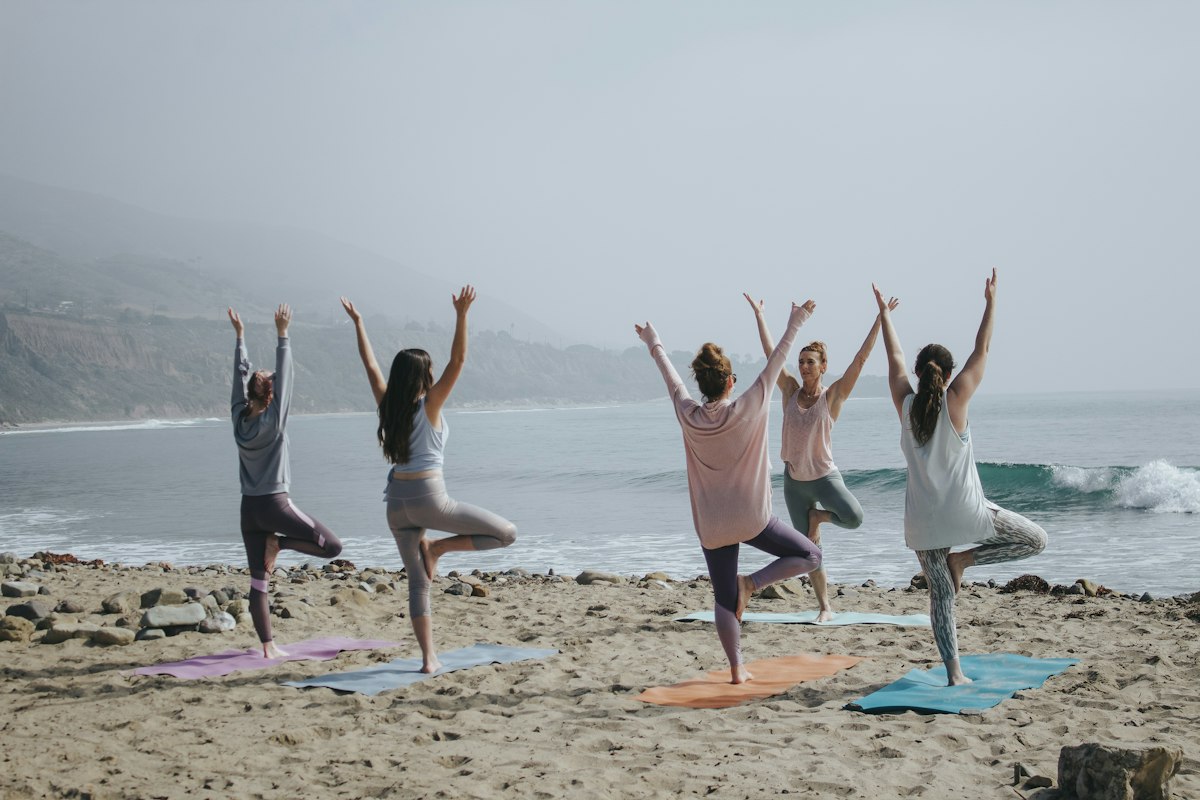
Research on parental wellbeing consistently shows that parents who maintain their own interests, identities, and social connections are more patient, more present, and more emotionally available to their children. Taking time for yourself is not a subtraction from your child. It is an investment in the parent you are able to be.
But research wasn't what convinced me. What convinced me was watching myself become shorter, flatter, less joyful in the moments I was with him — and realising that my unhappiness was not invisible to him. Even at several months old, babies are exquisitely attuned to their caregivers' emotional states. I was not protecting him by running on empty. I was modelling depletion.
Finding Your Planet
I named this project Me-Time Planet because I wanted to suggest something bigger than a self-care routine. A planet is a whole world — something you can inhabit, not just visit. A place that belongs entirely to you, that orbits the rest of your life without disappearing into it.
Ask yourself: what did I love before I became responsible for everyone else? What do I do when I have ten minutes and no obligations? What makes me feel like myself — not a parent, not a partner, not an employee — just myself? Start there. Start small. Start today.
For me, it was tea and craft and writing. For you it might be running, or cooking, or drawing, or learning something entirely new. The content matters less than the act of claiming it — of saying, out loud or just to yourself: this time is mine. I am not available during it. It is not negotiable.
Our son is two now. He is loud and funny and full of opinions about biscuits. He knows that sometimes mama needs her quiet time, and he has begun to understand, in his two-year-old way, that quiet time ends and she comes back — warmer, softer, more present than she was before.
I think that is the best thing I have taught him so far. That the people who love you most still need a world of their own. And that this does not make the love smaller. It makes it possible to sustain.
You deserve a planet. I hope you find yours.